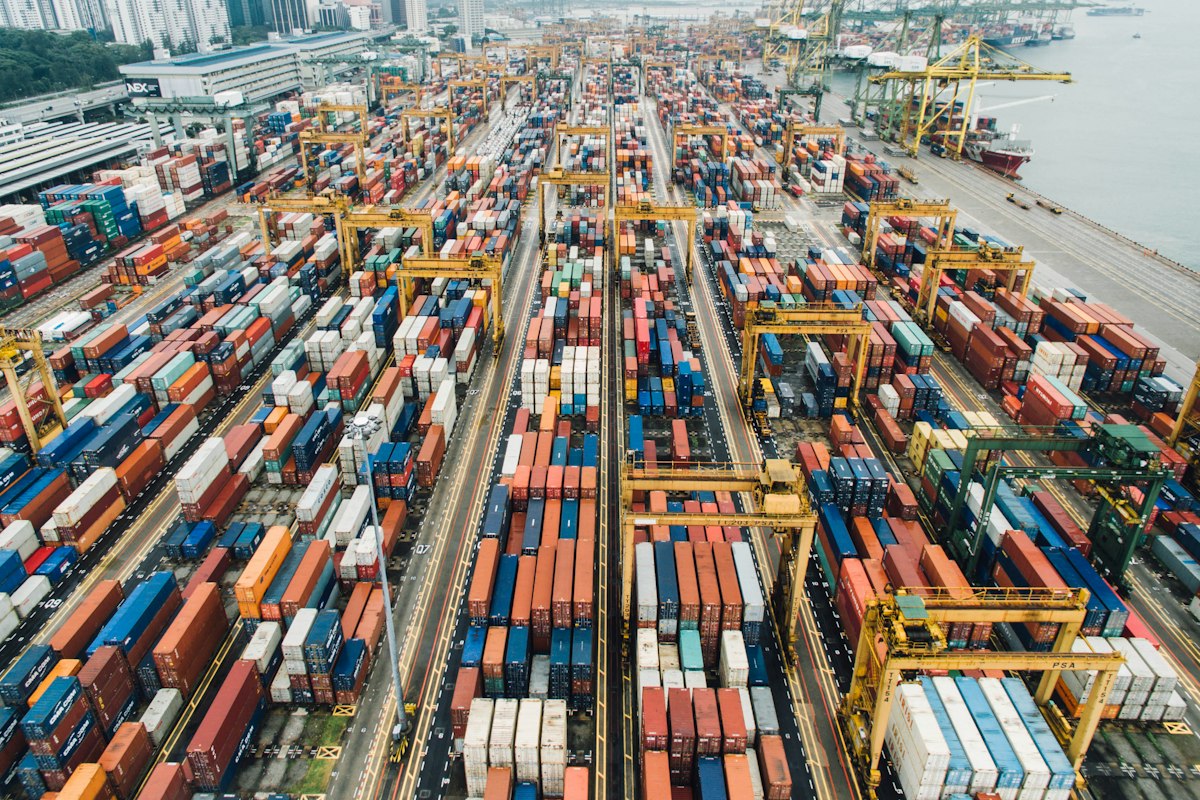
The Fujairah Alternative
The Habshan-Fujairah pipeline (ADCOP) carries Abu Dhabi crude directly to the Fujairah export terminal on the UAE's Indian Ocean coast. At 1.7 million barrels per day capacity, it provides a strategic bypass that no other Gulf state possesses. Combined with the OPEC exit — which allows the UAE to produce at full capacity without cartel constraints — Fujairah's importance has increased dramatically.
Trade Structuring Implications
For companies involved in commodity trading, logistics or trade finance, the Fujairah corridor changes the risk calculus. DMCC trading licences provide access to the world's largest commodities free zone. RAKEZ and IFZA offer cost-effective alternatives with Fujairah-area proximity.
Holding structures for commodity trading operations should account for the bifurcation of Gulf shipping routes — vessels routing through Hormuz face different insurance and risk profiles than those loading at Fujairah. For corporate structuring purposes, understanding the logistics geography helps determine optimal entity placement.
Geopolitical Context
The UAE's geographic advantage — coastlines on both the Persian Gulf and the Gulf of Oman — is a structural asset that no amount of geopolitical tension can eliminate. For businesses evaluating jurisdictional options in a region where geopolitical risk is a constant variable, the Fujairah bypass provides a practical assurance that trade flows can continue regardless of Strait of Hormuz dynamics.
Related Insights
Make It in the Emirates 2026: Where Industrial Investment Meets Corporate StructuringThe Make it in the Emirates 2026 platform launched May 4, redirecting AED 473 billion into the national economy through ... After OPEC: The UAE's Geopolitical Repositioning and What It Signals for Business ConfidenceThe UAE's OPEC exit is part of a broader strategic repositioning — from Abraham Accords to BRICS membership to independe... Eid Al Adha 2026: Dates, Travel Plans and What Businesses Should KnowEid Al Adha begins May 27, with a six-day break through May 31. The longest public holiday of the year. What businesses ...The Geographic Reality and Why It Matters
The Strait of Hormuz carries approximately 17–20 million barrels per day of oil — roughly one-fifth of global oil supply and a similar share of LNG. For UAE businesses, the strait is more than a geopolitical headline: it is the corridor through which most UAE oil exports flow, the route used by container traffic to Jebel Ali, and a chokepoint whose disruption would have immediate effects on freight rates, insurance premiums and supply availability. Fujairah, on the UAE's east coast outside the strait, is the operational hedge: pipelines from ADNOC fields to Fujairah port allow oil exports without transiting Hormuz.
| Dimension | Through Hormuz | Through Fujairah |
|---|---|---|
| UAE oil export capacity | Primary route, multi-million bpd | Up to ~1.5 mbpd via Habshan-Fujairah pipeline |
| Container freight | Jebel Ali, Khalifa Port (Hormuz exposed) | Limited (Fujairah not a primary container port) |
| Bunkering and storage | Fujairah is regional bunkering hub regardless | Major bunkering and storage |
| Insurance exposure | Higher during tension periods | Materially lower |
| Strategic value | Established infrastructure | Geopolitical hedge |
What UAE Businesses Should Be Tracking
For non-energy businesses, three secondary effects matter most when Hormuz tensions rise. First: marine insurance premiums for vessels transiting the strait — these spike on incidents and pass through to freight rates and ultimately to consumer pricing. Second: oil price volatility, which affects the UAE federal budget, government project pipelines and consumer confidence. Third: regional currency stability — historically AED-USD peg has held through every regional shock, but the cost of maintaining the peg becomes a discussion topic during extreme stress periods.
The 2026 Posture
The 2025–2026 period has seen moderate but not severe Hormuz tensions, with periodic incidents around vessel transit and patrol activity. The UAE's strategic infrastructure investments — Fujairah pipeline capacity, strategic petroleum reserves, alternative banking and trade routes — have reduced the operational vulnerability versus a decade ago. For most Polaris client businesses operating in the UAE, the implication is to be aware of the tail risk rather than to alter routine business practice. Strategic decisions around large physical-supply-chain investments should incorporate a Hormuz-disruption scenario in their stress tests.
- Strait of Hormuz handles ~17–20 mbpd of oil — a fifth of global flow — and most UAE container traffic.
- Fujairah port and the Habshan-Fujairah pipeline provide ~1.5 mbpd of strait-bypass capacity.
- Non-energy effects of Hormuz tension: marine insurance premiums, oil-price volatility, currency stress.
- AED-USD peg has historically held through regional shocks but costs more to maintain during extreme stress.
- Most businesses should track Hormuz tail risk; large physical-supply-chain investments should stress-test for disruption.
Polaris Perspective
Polaris advises on corporate structures for commodity trading and logistics — from entity formation in DMCC, RAKEZ and IFZA to holding company design and ongoing compliance.
Arrange a Consultation →