Some tourism booms are fashion; Georgia's is compounding. The country closed 2025 with nearly 6.9 million international visits — up 6.2 per cent on the year — and a record USD 4.69 billion in tourism revenue, according to the National Bank of Georgia. The third quarter alone earned USD 1.66 billion, the strongest single quarter in Georgian history, and even the 'quiet' first quarter of 2026 brought in USD 829.8 million from 1.2 million visitors. For an economy of Georgia's size, tourism is no longer a sector; it is a pillar.
The sources of that demand are diversifying in exactly the way planners hope for. First-quarter 2026 revenue from European Union visitors grew 36.4 per cent year on year; Saudi Arabia rose 47.6 per cent, Ukraine 34.2 per cent, Türkiye 12.2 per cent. Air capacity is chasing the demand: Georgian airports handled over 3.6 million passengers in the first half of 2025, up 14 per cent, with Batumi the fastest-growing gateway at +35 per cent and new routes opening to the UK, Switzerland, Italy, India and the UAE.
What seven million people come for
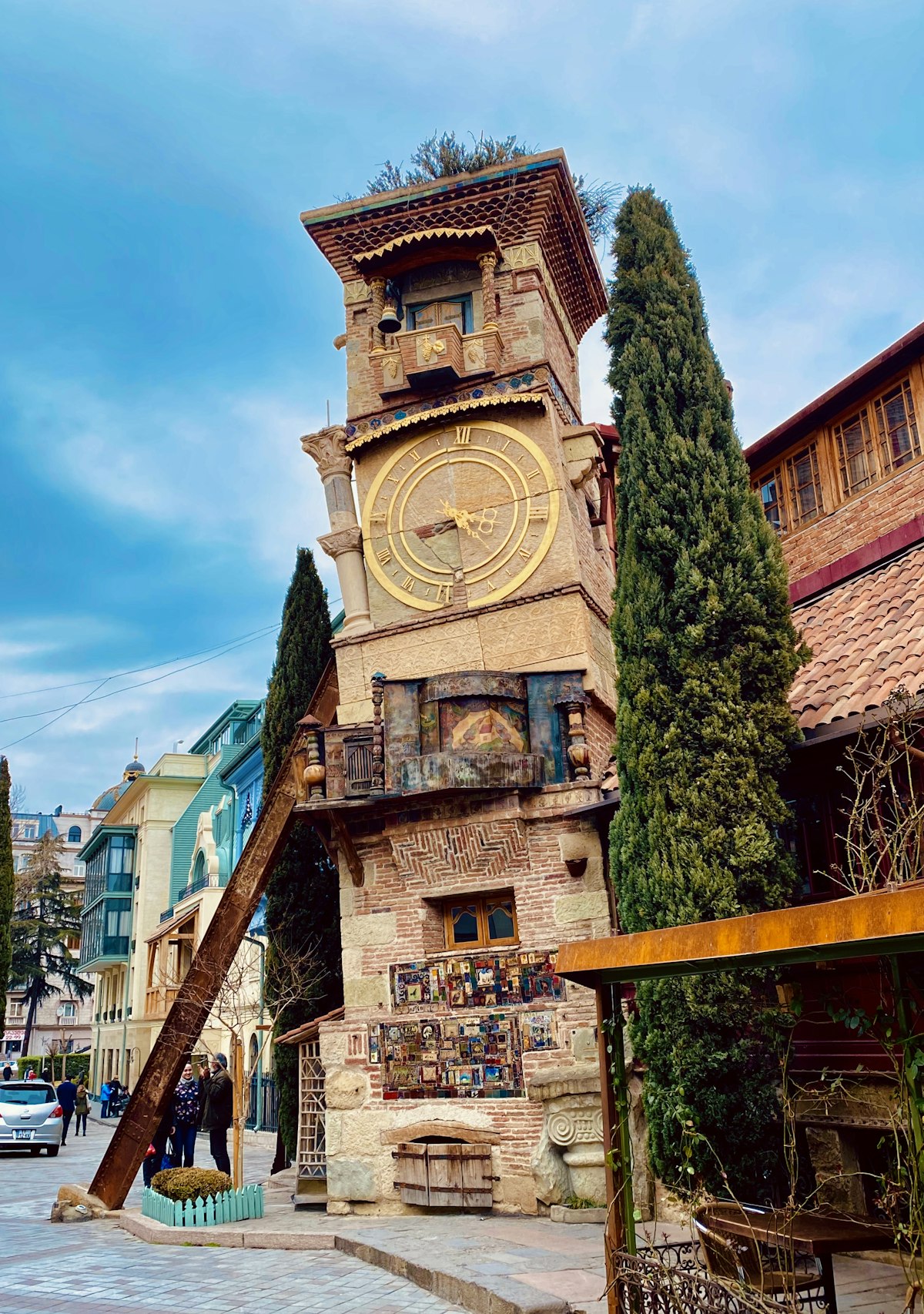
The product is simply unlike anywhere else within a four-hour flight of Europe or the Gulf. Tbilisi's old town stacks Persian baths, art-nouveau balconies and Soviet modernism along one river gorge; Batumi pairs a subtropical Black Sea shoreline with a skyline of contemporary towers; Kazbegi and Svaneti offer some of the most dramatic high-mountain scenery on the continent; and Kakheti pours the oldest wine tradition on earth. UNESCO lists Georgian polyphonic singing and qvevri winemaking among humanity's intangible heritage, and the national cuisine has become a phenomenon in its own right — there are now khachapuri restaurants from Berlin to Dubai, but pilgrims still come for the original.
The investment layer beneath the postcards
The numbers have consequences for capital. Premium-segment hotel occupancy reached 54 per cent in H1 2025 at an average daily rate of USD 126, and the branded pipeline is thickening fast: the Gonio resort zone south of Batumi has become a nationally designated investment cluster, with projects such as the Wyndham Grand Batumi Gonio marketing guaranteed yields around 10 per cent. Airbnb demand in Batumi grew 7 per cent year on year in Q1 2026 to 157,000 booked nights — although the average daily rate softened to USD 28, a reminder that supply is arriving quickly and asset selection matters more each season. Government plans to modernise Tbilisi airport with USD 150 million of investment, and to reduce seasonality by developing Gudauri, Borjomi and the wine regions, point in one direction: a market moving from boom to structure.
Reading the risk honestly
A tourism economy this young carries real sensitivities: regional geopolitics can move arrivals; the ruble- and lari-linked segments fluctuate; and short-let yields in Batumi already show what unmanaged supply does to nightly rates. The durable opportunities sit with operators and owners who underwrite conservatively — branded product, year-round destinations, professional management — rather than those buying promises of yield on the beach. That discipline, more than the growth rate, is what separates the investors who compound here from those who arrive at the peak.
- Georgia recorded ~6.9 million international visits and a record $4.69 billion in tourism revenue in 2025.
- EU visitor revenue grew 36.4% and Saudi revenue 47.6% year on year in Q1 2026 — the demand base is diversifying.
- Batumi is the fastest-growing air gateway (+35% passengers) and the Gonio cluster is the flagship resort investment zone.
- Premium hotel occupancy hit 54% at a $126 ADR in H1 2025, with branded projects marketing ~10% guaranteed yields.
- Softening Airbnb daily rates in Batumi show supply arriving fast — asset selection and management now decide returns.
Polaris Perspective
Tourism assets are operating businesses wearing property's clothing. Polaris advises investors entering Georgian hospitality on the structure that fits the asset — ownership vehicles, valuation, management contracts and the tax treatment of rental and operating income across borders. From Batumi, where our Georgian company is based, we see the Gonio pipeline from the ground — and we tell clients honestly which promises of yield survive underwriting.